
No products in the cart.
Portable Trade Show Booths: A Complete Guide for Easy and Effective Exhibiting
A portable trade show booth is a reusable exhibition system designed to pack into compact cases, travel between venues and assemble without conventional booth construction. The best portable booth combines a lightweight frame, replaceable printed graphics, reliable hardware and a layout that supports real exhibiting goals—visibility, product presentation, conversations and lead capture.
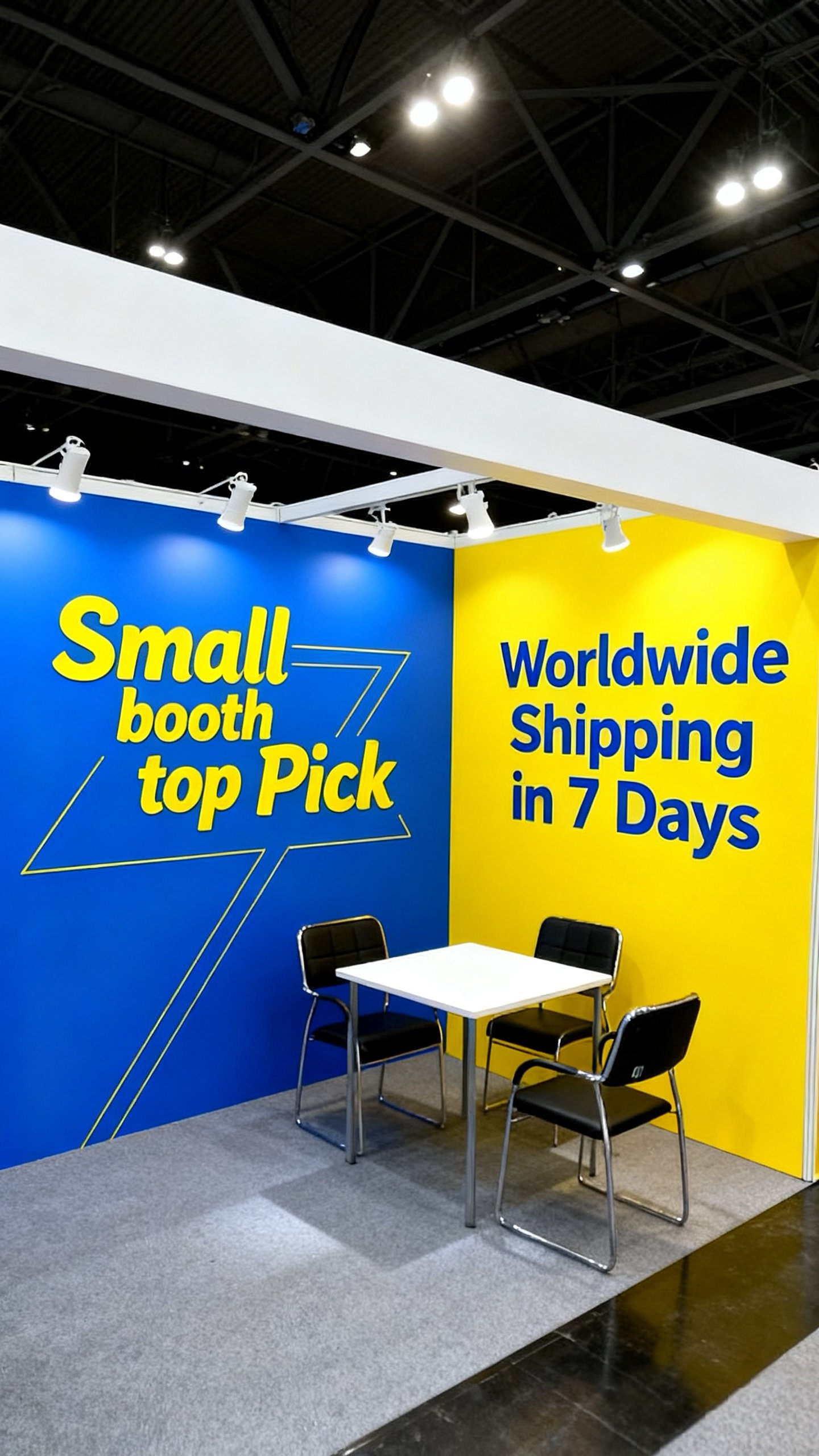
ALT: Portable trade show booth with printed fabric walls and a meeting area
What makes a trade show booth portable?
Portability is more than low weight. A genuinely portable display should be manageable throughout its full working cycle: storage, transportation, installation, dismantling and reuse. Its components should pack efficiently, be clearly labeled and connect in a repeatable way. Graphics should be replaceable so the same hardware can support a new campaign rather than being discarded.
Common portable systems include pop-up displays, tension-fabric backwalls, modular aluminum-frame booths, SEG lightboxes, banner stands and counters. A compact kit may use one backwall and counter; a larger system may combine multiple modules to create corners, storage rooms or illuminated feature areas.
Main benefits of a portable booth
Faster setup. Pre-engineered connectors and fitted graphics reduce the number of loose parts and decisions on the show floor.
Lower repeat-event cost. The frame can be reused while selected graphics are replaced for different products, languages or campaigns.
Simpler logistics. Compact cases are easier to store and move than custom-built panels and heavy construction materials.
Consistent brand presentation. A tested kit helps teams reproduce the intended layout at different events.
Flexible configurations. Modular components can adapt to linear, corner, peninsula or island spaces when the system is planned correctly.
Which portable display type should you choose?
| Display type | Best for | Main consideration |
|---|---|---|
| Pop-up display | Fast backwalls and short events | Confirm graphic attachment and replacement method |
| Tension-fabric display | Seamless, lightweight printed surfaces | Check fabric fit and wrinkle recovery |
| Modular frame booth | Frequent shows and changing footprints | Verify module compatibility and expansion options |
| SEG lightbox | High visual impact and backlit graphics | Plan power, cable routing and replacement parts |
| Banner stand | Supporting messages and small spaces | Use as part of a coordinated layout, not visual clutter |
How to choose the right booth
Start with your booked floor space and venue rules. A 10×10-foot booth needs a different visitor flow from a 10×20 or island booth. Next, define what the stand must accomplish. A product demonstration requires accessible counters and power; private conversations may require partial screening; a brand-awareness booth may prioritize a large graphic surface and lighting.
Ask the supplier for packed dimensions and weights—not only assembled size. Confirm how many people are required for installation, whether tools are needed and whether the cases can be handled by your normal transport method. Request an assembly video or manual before ordering.
Evaluate the graphic system separately from the frame. Dye-sublimated tension fabric can provide a clean, continuous appearance and packs compactly. SEG graphics create a precise edge-to-edge finish when inserted into the frame channel. In either case, ask whether replacement graphics can be ordered without buying new hardware.
Finally, calculate total ownership cost. Include design, hardware, printing, freight, drayage, labor, storage and future graphic updates. The lowest purchase price is not always the lowest cost over several shows.
A practical portable booth checklist
- Confirm exact floor-space dimensions and height limits.
- Choose a layout that keeps the entrance open.
- Put the primary message where it can be read from the aisle.
- Allow secure routing for power cables and lighting.
- Verify packed size, case count and total weight.
- Obtain assembly instructions and a component list.
- Test-build the booth before shipping it to an event.
- Keep spare connectors, graphic tools and cleaning supplies in a labeled kit.
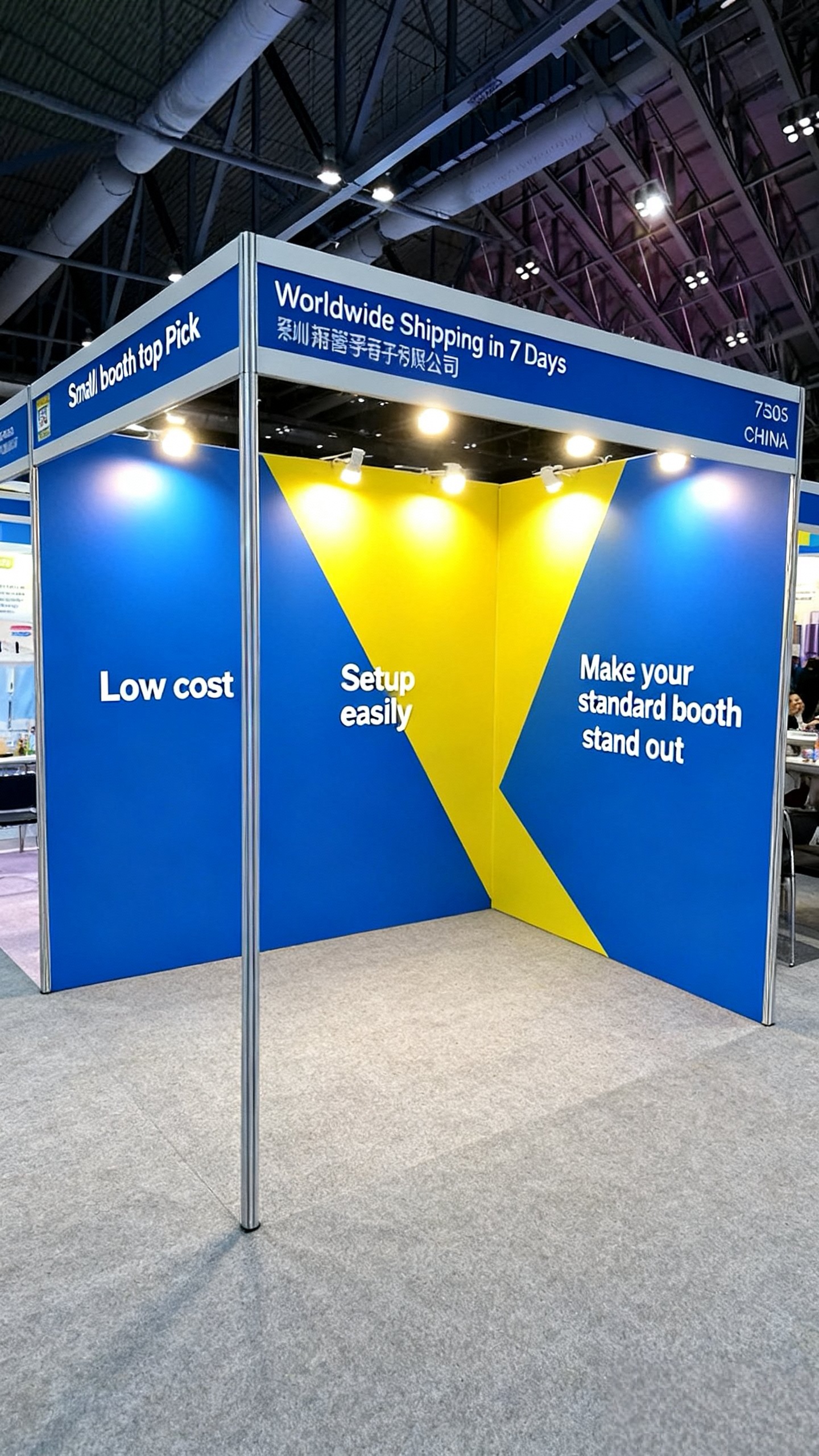
ALT: Lightweight portable exhibition display stand designed for repeated trade show use
Why work with QuicklyShow?
QuicklyShow develops one-stop exhibition solutions that include portable and modular display systems, tension-fabric graphics, lightboxes, counters and accessories. A project can begin with the booth footprint, brand assets and functional requirements, then move through design, production and logistics planning. This approach helps exhibitors coordinate the display as one system rather than purchasing unrelated parts.
Frequently asked questions
Can a portable trade show booth look custom?
Yes. Custom-printed graphics, modular shapes, lighting, counters and accessories can create a branded appearance while retaining reusable hardware.
How long does a portable booth take to assemble?
It depends on size, system and team experience. Ask for a documented setup estimate, required crew size and installation video, then perform a trial build before the event.
Are portable booths reusable?
Most quality systems are designed for repeated use. Frame durability, careful packing and access to replacement graphics and components determine the practical service life.
What information is needed for a quote?
Provide booth dimensions, show location and date, preferred layout, brand files, functional needs, delivery destination and any venue restrictions.
Related QuicklyShow resources
- Explore the QuicklyShow trade show display range.
- See a 10×10 portable modular booth configuration.
- Follow the QuicklyShow portable booth assembly guide.
- Learn how modular trade show booths support repeated events.
- Request a portable booth proposal.
Build a booth around your exhibiting goals
A successful portable booth is easy to move, but it also makes the brand easy to notice and the team easy to approach. Send QuicklyShow your floor plan, event date and display requirements to receive a recommended configuration and quotation.
