
No products in the cart.
SEG Lightbox Displays: The Complete Buyer’s Guide
An SEG lightbox display combines an aluminum frame, LED illumination and a printed fabric graphic finished with a silicone edge. The silicone strip is pressed into a channel around the frame, pulling the graphic smooth and creating a clean, edge-to-edge appearance. SEG lightboxes are widely used for trade shows, retail displays, events and branded interiors.
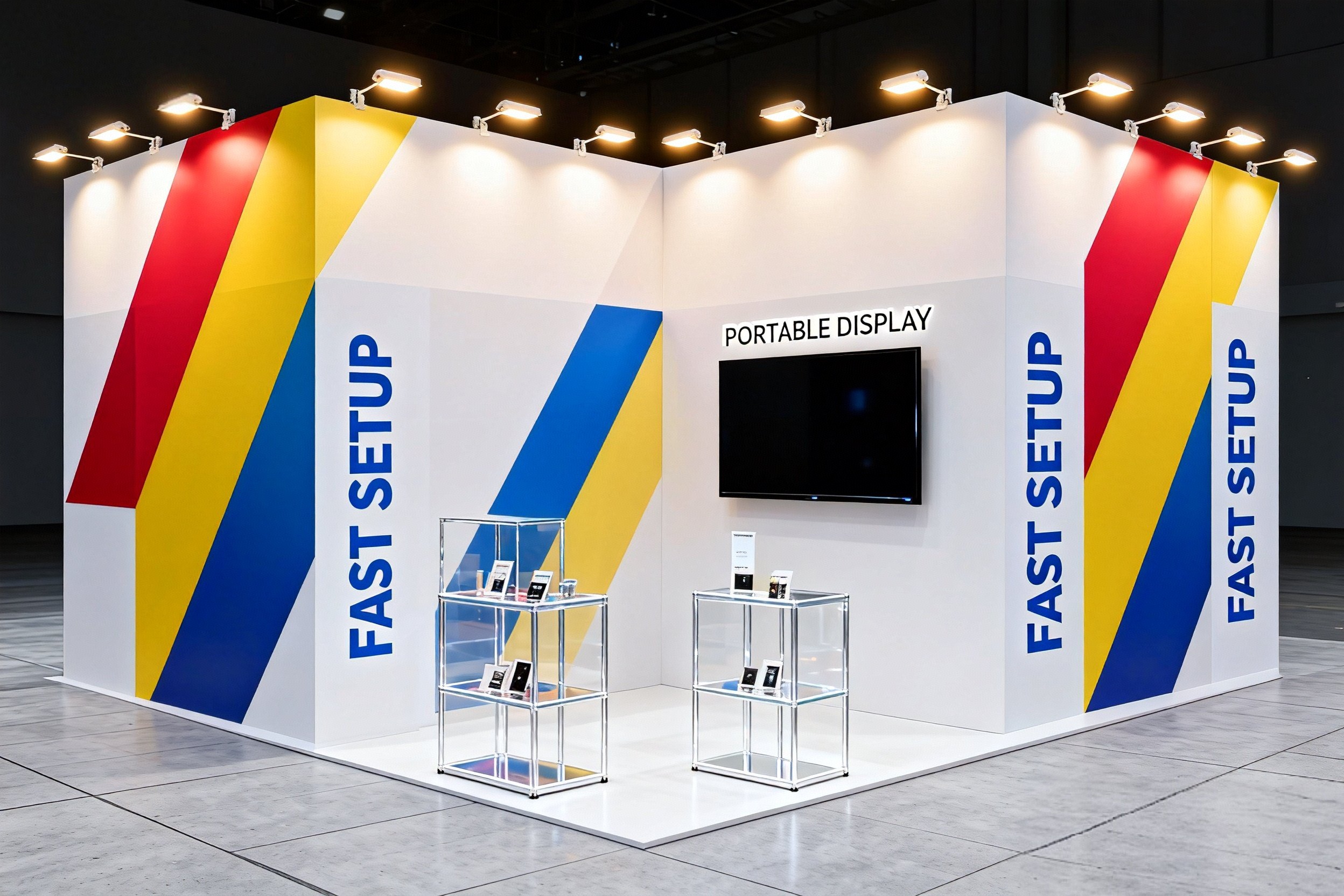
ALT: SEG lightbox display stand with illuminated fabric graphics at an exhibition
What does SEG mean?
SEG stands for silicone edge graphics. A narrow silicone strip is sewn around the perimeter of the printed fabric. Starting at the corners, the installer inserts the strip into the aluminum frame channel. Correctly sized graphics sit under tension and hide most of the frame from the front.
The result depends on three elements working together: an accurately made frame, evenly distributed light and a graphic sewn to the correct finished size.
Main components of an SEG lightbox
Aluminum frame. The profile determines depth, strength, channel design and connection method. Freestanding and wall-mounted systems use different support arrangements.
LED system. LEDs may be edge-lit or positioned behind the graphic. The design should provide even brightness without visible hot spots or dark bands.
Printed fabric graphic. Backlit fabric is usually printed for strong color under illumination. Artwork, ink density and material choice affect the final result.
Power components. Drivers, cables and connectors must match the lightbox and destination market. Cable exits should be planned before installation.
Optional blocker graphic. A double-sided unit may use two printed faces, while some single-sided applications use a light-blocking back layer.
Why exhibitors choose SEG lightboxes
- Bright, high-contrast brand presentation
- Smooth, frameless-looking graphic surface
- Graphics that pack more compactly than rigid panels
- Replaceable campaigns without replacing the frame
- Modular options for larger walls and booth configurations
- Integration with counters, arches and other display elements
Edge-lit versus backlit
Edge-lit systems direct light from the perimeter across an internal diffusion layer. They can support slim profiles, but the engineering must distribute light evenly. Backlit systems place LEDs behind the graphic and may use a deeper frame. They can deliver strong, uniform illumination when LED spacing and diffusion are correct.
Do not choose by depth alone. Ask for brightness information, power consumption, images of the illuminated surface and the supplier’s approach to hot-spot control.
How to specify an SEG lightbox
Size and orientation
State the exact visible and overall dimensions. Clarify portrait, landscape, wall-mounted, freestanding, single-sided or double-sided use. For modular walls, confirm seam positions and how frames connect.
Location and viewing distance
A trade show backwall is viewed differently from a retail sign. The environment affects brightness, artwork scale and structural support.
Electrical destination
Provide the installation country and venue information. Confirm voltage, plugs, power draw and relevant documentation. Event electrical connections may need to be performed by authorized personnel.
Graphic requirements
Obtain the supplier’s artwork template. Use high-resolution images and vector logos. Keep important text inside the safe area and ask about proofing for critical colors.
Packing and replacement
Confirm case dimensions, component labeling and how to order replacement graphics, LEDs, drivers or connectors.
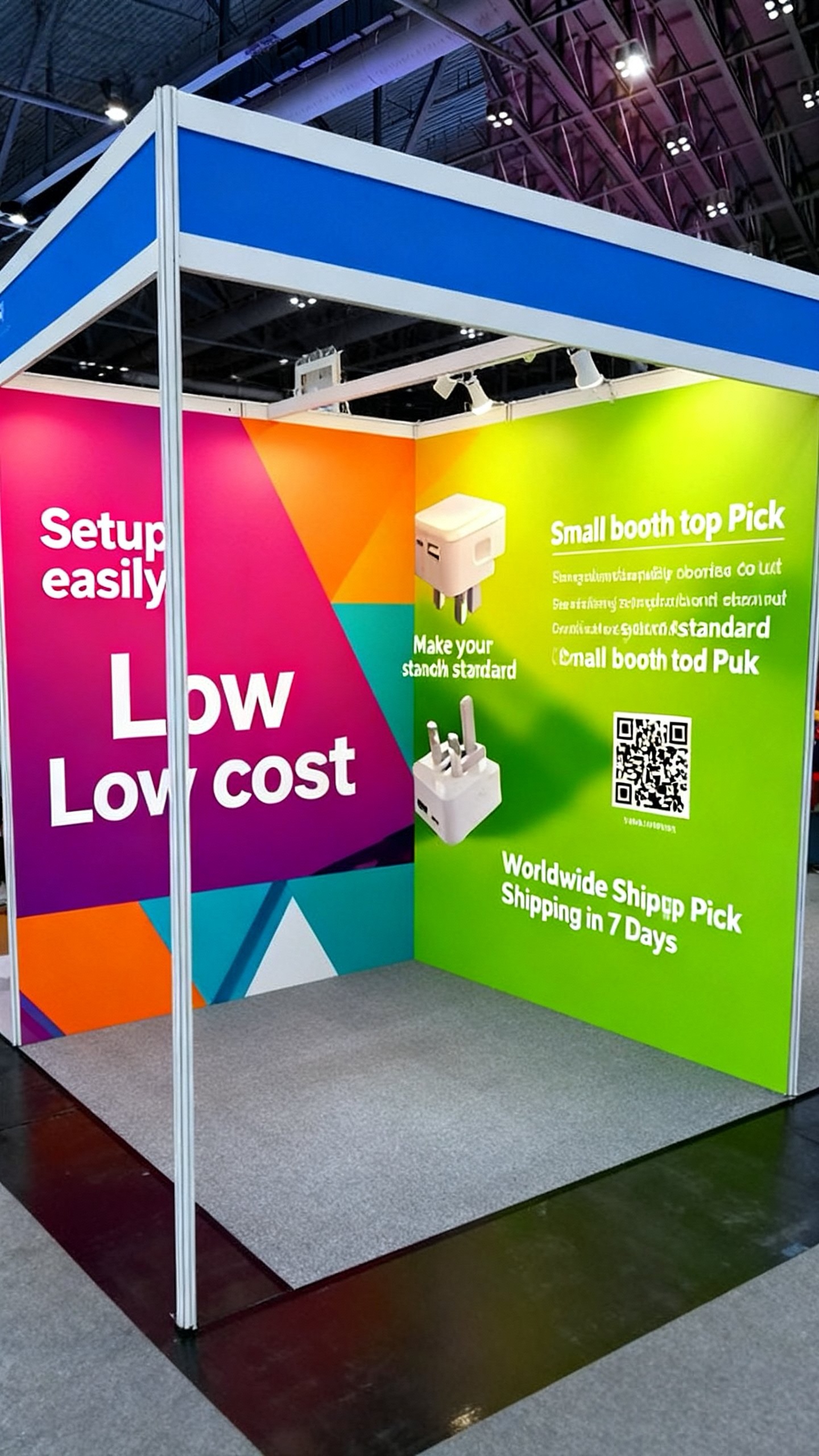
ALT: Custom printed fabric exhibition booth demonstrating large-format graphic presentation
Common buying mistakes
Ordering by frame size without confirming visible area. Artwork may be cropped or important content may sit too close to the channel.
Ignoring ambient light. A display that looks bright in a dark room may compete with intense exhibition lighting.
Using artwork prepared for front-lit media. Backlit output needs appropriate proofing and print density.
Forgetting cable routes. Visible cables weaken presentation and can create safety concerns.
Buying without spare-part support. Replacement power components and graphics should be identifiable after purchase.
Maintenance and storage
Disconnect power before inspection or packing. Handle fabric with clean, dry hands and follow the supplier’s cleaning instructions. Keep graphics labeled to match each frame and store them dry. Inspect connectors and cables before every show. Never pack a wet graphic or force a silicone edge into a damaged channel.
QuicklyShow SEG display options
QuicklyShow supplies exhibition display solutions that can combine SEG lightboxes with portable or modular booth structures. Custom configurations may include backlit walls, counters and other functional elements. For an accurate proposal, provide dimensions, viewing sides, destination, artwork needs and the date the display must be ready.
Frequently asked questions
Can SEG graphics be replaced?
Yes. Replaceable fabric graphics are a core advantage, but the new graphic must match the specific frame dimensions and channel system.
Are SEG lightboxes portable?
Many exhibition models use sectional frames and protective cases. Check packed length, weight and assembly method because portability varies by size.
Can an SEG lightbox be double-sided?
Yes, when the frame and lighting are designed for two illuminated faces. Specify this requirement at the quotation stage.
Why are there shadows or bright spots?
Possible causes include incorrect assembly, damaged LEDs, unsuitable graphic material, insufficient diffusion or a graphic that is not fitted correctly.
Related QuicklyShow resources
- Explore a frameless slim SEG LED fabric lightbox.
- See a double-sided 10×10 lightbox booth.
- Review a modular SEG lightbox booth configuration.
- Learn how to choose an SEG lightbox manufacturer in China.
- Request an SEG lightbox specification.
Request the right lightbox specification
Send QuicklyShow your required dimensions, installation environment, destination country and artwork concept. A useful quotation should define the frame, lighting, graphic, power components, packing and included accessories.
