No products in the cart.
Tool-Free Trade Show Booths: How They Reduce Setup Time and Labor Costs
A tool-free trade show booth uses pre-engineered connectors—such as push buttons, locking joints, channels or pop-up frames—so major display components can be assembled without conventional hand tools. By reducing loose hardware and complex construction steps, the system can shorten installation, lower reliance on specialist labor and make setup more repeatable.
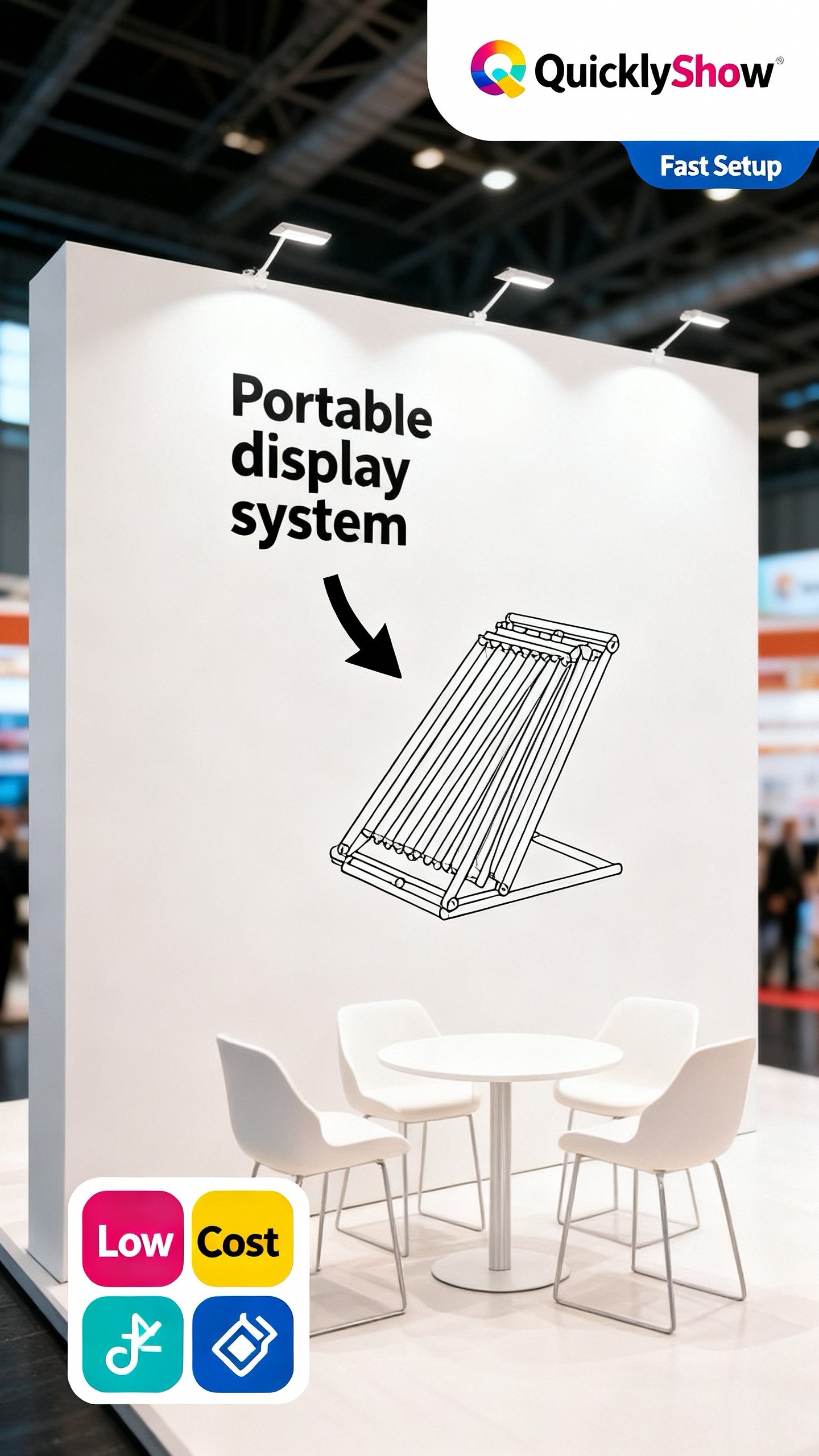
ALT: Tool-free portable trade show booth with a lightweight frame and fabric graphic wall
Where the savings come from
Trade show setup cost is influenced by crew size, time on site, union or contractor rules, schedule windows and troubleshooting. A tool-free system cannot remove every venue charge, but it can simplify the work performed on the booth itself.
Fewer fasteners mean less time searching for parts. Labeled frame sections make the assembly order clearer. Fitted fabric graphics reduce finishing work. When the same booth is reused, the team also becomes faster because the sequence is familiar.
The largest operational benefit is predictability. A display that has been test-built, documented and packed in order is less likely to create last-minute surprises than an improvised collection of walls and accessories.
What “tool-free” should mean
The term should describe the normal assembly of the main display system. Some accessories, safety features or venue-required work may still require tools or authorized personnel. Electrical connections, rigging and certain mounted equipment must follow event rules.
Before ordering, ask the supplier to demonstrate the complete setup—not only one connector. Confirm how the frame, graphics, lighting, counters, shelves and screens are installed and which steps require assistance.
Key features of a good tool-free booth
- Connectors that lock positively and are easy to inspect
- Clearly labeled frame sections
- Limited number of unique components
- Graphics designed for quick, accurate fitting
- Cable management integrated into the layout
- Cases organized in assembly order
- Instructions with diagrams and part identifiers
- Replaceable connectors and spare parts
How to estimate setup labor
Request a setup estimate that states booth configuration, crew size and assumptions. A claim such as “fast setup” has little meaning without scope. Installing a simple backwall is different from assembling a large booth with several lightboxes, screens and counters.
Run a trial build in a warehouse or office before the first event. Record the actual time, identify confusing labels and update the packing order. The trial should include dismantling, because a booth must also return safely to its cases.
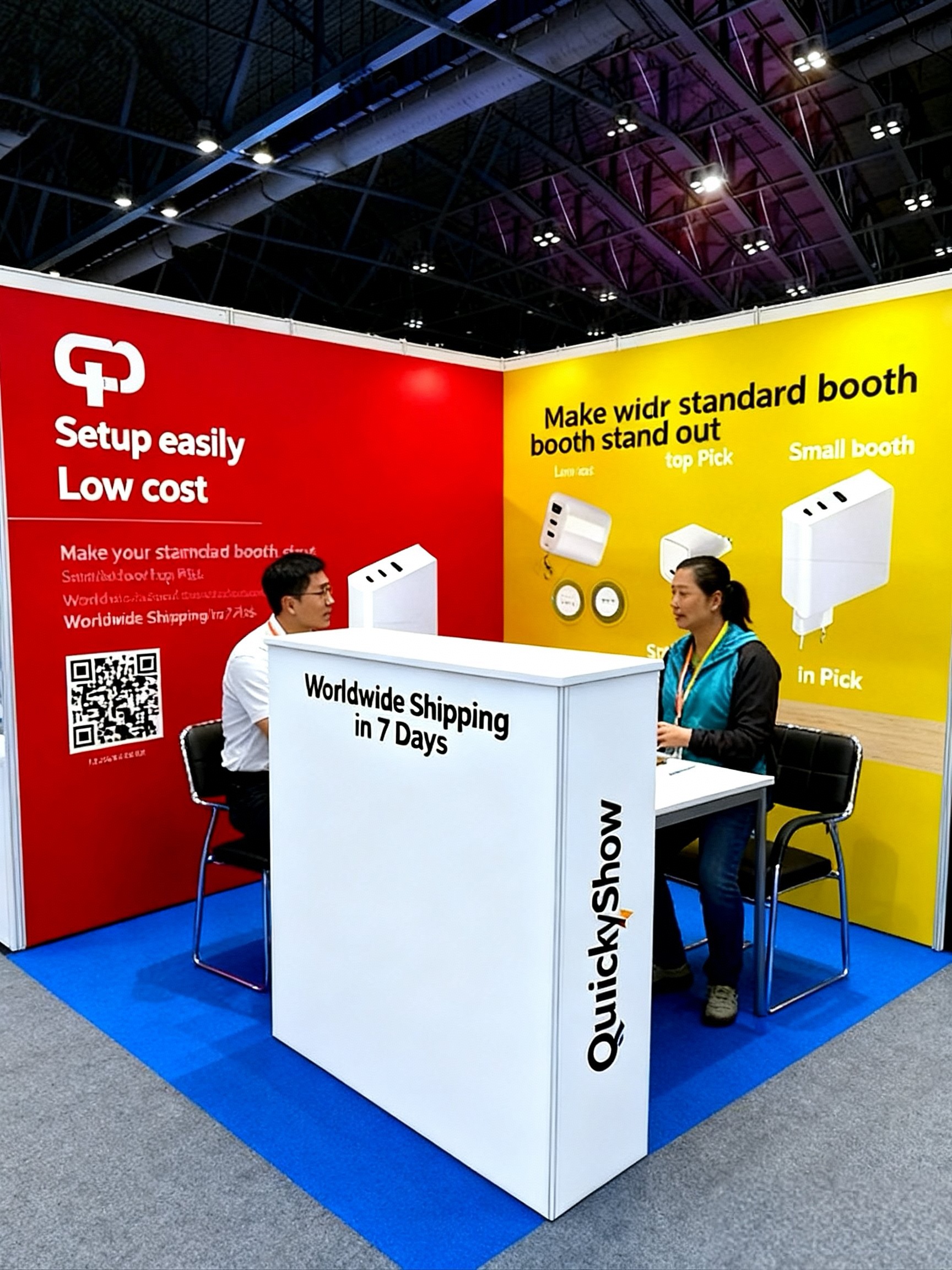
ALT: Tool-free assembly booth frame designed for quick exhibition setup
Tool-free does not remove the need for planning
An easy connector cannot fix a poor floor plan. Maintain clear entrances, accessible routes and safe cable paths. Check that walls and features comply with height and setback rules. Confirm whether the venue restricts exhibitor-performed work.
Graphics also need planning. Number multi-panel prints so the visual sequence is obvious. Pack high-priority components where they can be reached first, and place small spares in a dedicated labeled container.
Total-cost comparison
When comparing a tool-free booth with another system, include:
- Purchase price and printing
- Installation and dismantling labor
- Transport and material handling
- Storage between events
- Replacement graphics and components
- Cost of delayed or incorrect setup
A reusable tool-free system may cost more initially than a basic one-time display, but can be more economical across a series of events.
QuicklyShow tool-free display solutions
QuicklyShow offers portable and modular booth systems that use lightweight frames and fitted fabric graphics. Depending on the configuration, exhibitors can combine backwalls, lightboxes, counters and display accessories. Ask for an assembly guide and project-specific setup expectations before finalizing the order.
Frequently asked questions
Can one person assemble a tool-free trade show booth?
Some compact displays may be manageable by one trained person, while larger walls and illuminated structures may require two or more people. Follow the supplier’s instructions and safe handling guidance.
Does tool-free assembly mean no installation charges?
No. Venues may have rules governing labor, electrical work, rigging and material handling. Tool-free design simplifies the system but does not override event regulations.
Are tool-free booths durable enough for repeated use?
They can be when connectors, frames and cases are designed for reuse. Inspect components after every event and replace damaged parts before the next shipment.
How can setup be made even faster?
Perform a trial build, label parts, pack in assembly order, train the crew and keep the latest instructions accessible offline.
Related QuicklyShow resources
- Follow the QuicklyShow booth assembly guide.
- See a tool-free modular booth system.
- Review a large custom portable booth with tool-free installation.
- Read the portable trade show booth complete guide.
- Ask for an assembly-focused proposal.
Ask for a setup-focused booth proposal
Tell QuicklyShow your booth size, event schedule, available crew and setup constraints. The recommended configuration should balance visual impact with realistic transport and installation requirements.
