
No products in the cart.
Travel Cases for Trade Show Booths: Protection, Storage and Transportation
A trade show travel case protects display components, keeps parts organized and supports faster setup. The right case depends on the equipment, transport route and handling environment. Soft bags may suit lightweight local displays, while reinforced wheeled cases or shipping crates provide more protection for repeated freight.
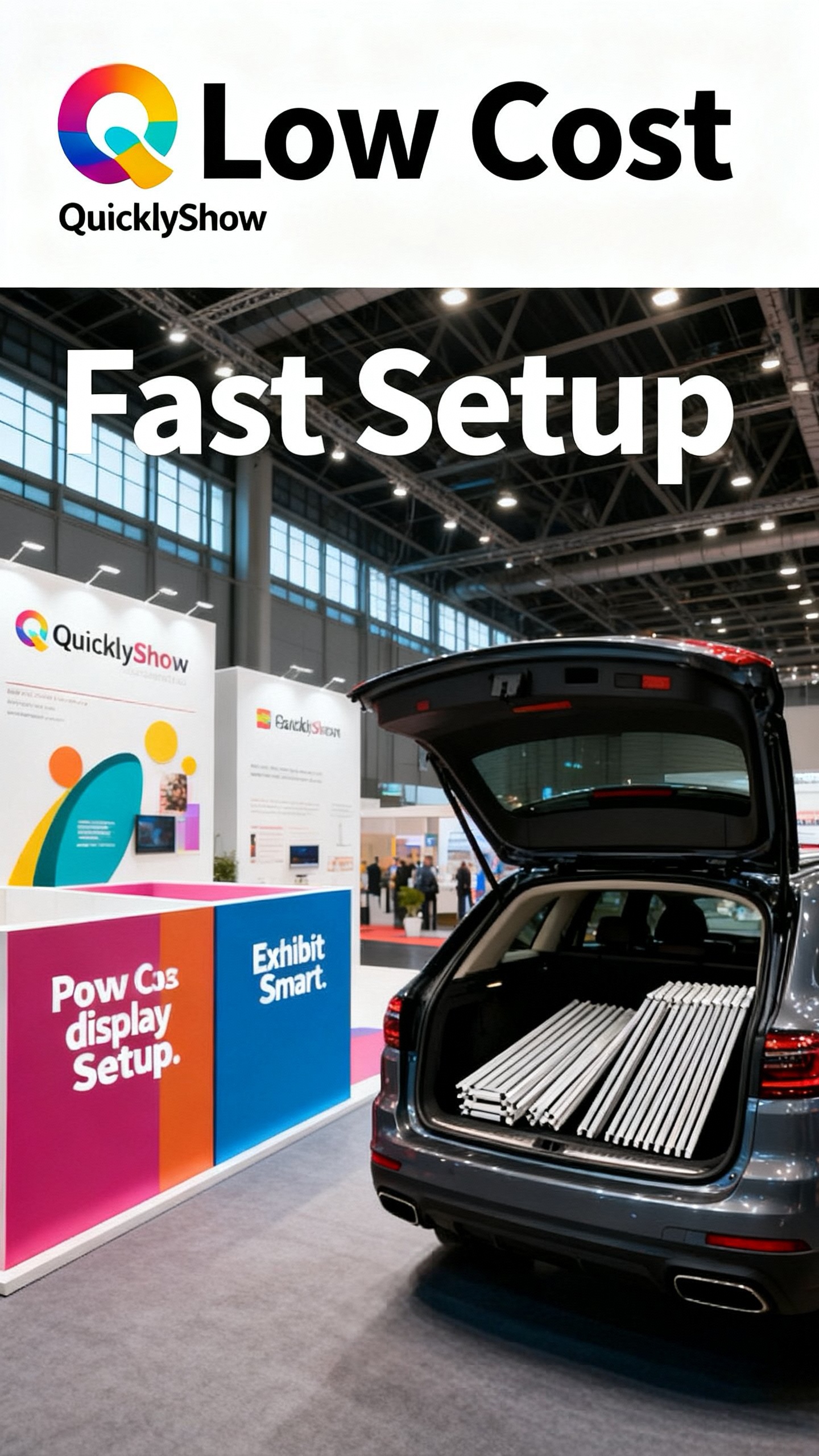
Main case types
Soft carry bags minimize weight and suit protected local transport. They offer limited impact protection.
Molded wheeled cases balance portability and protection for frames, graphics and accessories.
Counter conversion cases transport components and become a reception counter with a fitted graphic or tabletop.
Custom foam cases hold lighting, screens or delicate connectors in defined positions.
Freight crates provide stronger protection for large systems but increase weight, storage and material-handling requirements.
Match the case to the route
Local van transport, courier networks, airline baggage and palletized freight create different risks. Document every transfer point and identify where cases may be stacked, dropped, exposed to weather or left unattended.
Check external dimensions, loaded weight, wheel quality, handle position and closure method. A case that protects equipment but cannot pass through a standard doorway creates a new logistics problem.
Packing system essentials
- Give every case a unique number.
- Match case numbers to the assembly guide.
- Use fitted foam or dividers for delicate parts.
- Keep heavy components low and balanced.
- Separate fabric graphics from sharp hardware.
- Add a packing photo inside each case.
- Include destination and return labels.
- Keep a component count and condition record.
Protect fabric graphics
Graphics should be clean and completely dry before packing. Follow the supplier’s folding or rolling method. Do not place connectors or tools directly against printed fabric, and avoid long-term storage in damp or excessively hot environments.
Turn the case into useful booth space
Some wheeled cases convert into counters, reducing the need for a separate furniture case. Confirm stability, countertop load, graphic fit and access to stored items during the event.
QuicklyShow’s portable booth solutions can include transport cases selected for the proposed component set.
QuicklyShow’s standard packing method
QuicklyShow normally places each individual display frame in its own portable carrying bag and then protects it with an outer kraft carton. For shipment, the booth materials are consolidated as one shipment wherever practical to reduce the risk of a component becoming separated in transit. Packing length for booth-building materials is controlled to within 1.3 m where applicable. Final carton quantity, dimensions and weight depend on the selected products and booth configuration and should be confirmed on the project packing list.
Frequently asked questions
Should every booth component have its own case?
Not necessarily. Group compatible parts without exceeding safe weight or allowing them to damage each other.
Are wheels replaceable?
They should be on a frequently used case. Ask for replacement specifications before purchase.
Can travel cases be shipped directly to a venue?
Yes, but first confirm the venue’s delivery window, labeling rules, receiving procedures and appointed material-handling services. After final graphic approval, QuicklyShow can normally complete production within three days, followed by inspection and customer confirmation using photos and video. DHL or UPS delivery typically takes about 5–7 business days, while the lower-cost sea-freight option generally takes about 20–30 business days. Add contingency for customs clearance, peak-season delays and venue receiving schedules.
Plan the packing before production ends
Ask QuicklyShow for packed dimensions, case weights and a component map through the quote form.
